
Project management has become an indispensable function across industries, driving the successful delivery of initiatives that shape business outcomes. As organizations face increasing complexity and rapid change, the role of the project manager continues to evolve, demanding a diverse blend of strategic, technical, and interpersonal skills. This article explores the core responsibilities of project managers and the essential skills they must master to thrive in 2025 and beyond.
Understanding the Core Responsibilities of Project Managers
At its heart, project management is about steering a project from conception to completion while meeting defined objectives within constraints such as time, budget, and scope. The project manager acts as the linchpin, ensuring that all moving parts align seamlessly. Here are the key responsibilities that define this role.
Strategic Planning and Execution
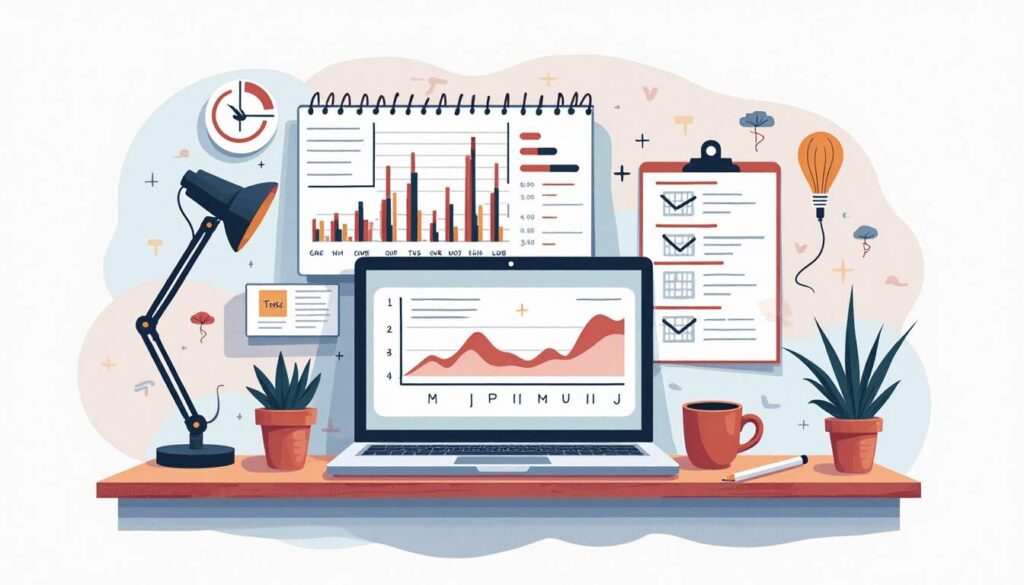
Project managers begin by defining clear, measurable objectives that align with the broader organizational goals. This involves creating detailed roadmaps that outline phases, milestones, and deliverables. Effective planning sets the foundation for execution, helping teams understand priorities and timelines.
Execution requires translating these plans into actionable tasks, coordinating activities, and adapting as necessary to keep the project on track. Strategic foresight allows project managers to anticipate challenges and adjust course proactively, ensuring that the project delivers value. They often utilize project management software to visualize timelines and dependencies, making it easier for teams to stay aligned and focused on their goals.
Resource Allocation and Budget Management
Securing and managing resources is a critical aspect of project management. This includes human resources, technology, materials, and finances. Project managers optimize workflows to maximize productivity and ensure resources are used efficiently.
Budget management is equally vital. Project managers develop budgets that reflect project needs and monitor expenditures closely to avoid overruns. They balance cost constraints with quality and scope to achieve optimal outcomes. Additionally, project managers often engage in negotiations with vendors and stakeholders to secure the best possible terms, ensuring that the project remains financially viable while still meeting quality standards.
Team Coordination and Leadership
One of the most visible facets of project management is leading and coordinating teams. Project managers assemble cross-functional groups, clarify roles, and foster collaboration. They streamline communication channels to ensure that information flows smoothly among stakeholders.
Leadership extends beyond task delegation; it involves motivating team members, resolving conflicts, and cultivating a positive environment that encourages innovation and accountability. Effective leadership sustains momentum and drives project success. Project managers often implement team-building activities and regular feedback sessions to strengthen relationships and enhance team dynamics, fostering a culture of trust and collective responsibility.
Risk Management
Every project faces uncertainties, and managing risks is essential to safeguarding success. Project managers identify potential risks early, assess their impact, and develop mitigation strategies. This proactive approach minimizes disruptions and prepares the team to respond swiftly if issues arise.
Contingency planning is a key component, ensuring that alternative paths are ready if initial plans falter. By maintaining vigilance over risk factors, project managers enhance the resilience of their projects. They often conduct risk workshops with the team to brainstorm potential challenges and develop comprehensive risk registers, which serve as living documents that evolve throughout the project lifecycle.
Performance Monitoring and Reporting
Tracking progress is fundamental to effective project management. Project managers monitor key performance indicators (KPIs) such as schedule adherence, budget status, and quality metrics. This data-driven oversight enables timely interventions to correct deviations.
Regular reporting to stakeholders maintains transparency and builds trust. Clear, concise updates help align expectations and facilitate informed decision-making throughout the project lifecycle. Moreover, project managers often utilize dashboards and visual tools to present data in an easily digestible format, allowing stakeholders to quickly grasp project health and make strategic choices based on real-time information.
Essential Skills for Project Managers in 2025
The landscape of project management is rapidly evolving, influenced by technological advances, shifting workforce dynamics, and changing business priorities. To remain effective, project managers must cultivate a broad set of skills that blend traditional competencies with emerging capabilities.

Technological Proficiency
Modern project managers leverage a suite of digital tools to plan, track, and communicate project activities. Familiarity with platforms such as Jira, Asana, and Trello is now a baseline expectation. Beyond these, emerging technologies like artificial intelligence (AI) and machine learning are transforming how projects are managed.
AI-powered analytics can forecast risks, optimize schedules, and automate routine tasks, freeing project managers to focus on strategic decision-making. According to recent surveys, over 70% of project managers believe AI will significantly change their roles, underscoring the importance of technological adaptability. Furthermore, project managers are now expected to stay abreast of advancements in blockchain technology, which can enhance transparency and security in project transactions, particularly in industries such as finance and supply chain management.
Emotional Intelligence (EQ)
Project management is as much about people as it is about processes. High emotional intelligence enables project managers to build trust, navigate team dynamics, and resolve conflicts effectively. Understanding and managing emotions fosters stronger relationships and improves collaboration.
EQ also supports stakeholder engagement, helping project managers tailor communication styles and build consensus among diverse groups. This skill is increasingly recognized as a critical differentiator in leadership effectiveness. Moreover, with the rise of remote work, project managers with high EQ can better connect with team members across virtual platforms, ensuring that everyone feels valued and included, regardless of their physical location.
Adaptability and Resilience
In today’s fast-paced environments, change is constant. Project managers must be adaptable, able to pivot strategies when unexpected challenges arise. Resilience—the capacity to recover quickly from setbacks—is equally important.
These qualities enable project managers to maintain focus and composure under pressure, guiding teams through uncertainty while maintaining progress toward goals. This adaptability also extends to embracing feedback and learning from failures, which can lead to innovative solutions and improved processes in future projects. As organizations increasingly prioritize agility, those who can demonstrate resilience will be invaluable assets.
Data-Driven Decision-Making
Data analytics is revolutionizing project management by providing actionable insights that inform decisions. Project managers proficient in data interpretation can identify trends, measure performance, and forecast outcomes with greater accuracy.
Utilizing data-driven approaches reduces guesswork and enhances transparency, enabling more effective resource allocation and risk mitigation. Additionally, the ability to visualize data through dashboards and reports allows project managers to communicate findings more effectively to stakeholders, ensuring that everyone is aligned and informed about project status and potential adjustments.
Agile Methodologies Expertise
Agile frameworks like Scrum and Kanban have gained prominence due to their flexibility and iterative approach. Mastery of Agile methodologies allows project managers to respond swiftly to changing requirements and deliver incremental value.
Statistics show that Agile projects have a significantly higher success rate—42% compared to 14% for traditional Waterfall projects—highlighting the growing preference for Agile in diverse industries. As organizations adopt hybrid models that blend Agile and traditional methodologies, project managers with expertise in both will be particularly sought after, as they can tailor approaches to fit the unique needs of various projects.
Leadership and Team Development
Beyond managing tasks, project managers serve as mentors and coaches. Inspiring teams, fostering professional growth, and nurturing a culture of continuous improvement are essential leadership functions.
Effective leadership drives engagement and retention, which are critical for maintaining high-performing teams capable of delivering complex projects. Furthermore, project managers who prioritize team development can create an environment that encourages innovation and creativity, leading to more effective problem-solving and enhanced project outcomes. By investing in their team’s skills and career paths, project managers can build a loyal and motivated workforce.
Cross-Cultural Competence
Globalization has made project teams more diverse than ever. Project managers with cross-cultural competence can navigate cultural differences, enhancing communication and collaboration in international or distributed teams.
This skill promotes inclusivity and leverages diverse perspectives, leading to more innovative solutions and stronger stakeholder relationships. As remote work becomes more prevalent, understanding cultural nuances can also help project managers avoid misunderstandings and foster a sense of belonging among team members from various backgrounds, ultimately enhancing team cohesion and productivity.
Risk Management and Mitigation
As projects grow in complexity, so do their risks. Advanced risk management skills enable project managers to identify emerging threats and implement effective mitigation strategies proactively.
This capability is essential for maintaining project resilience and ensuring successful delivery despite uncertainties. Additionally, the integration of predictive analytics into risk management practices allows project managers to anticipate potential issues before they arise, enabling them to devise contingency plans that can save time and resources in the long run.
Stakeholder Engagement and Communication
Building and maintaining strong relationships with stakeholders is fundamental. Project managers must communicate clearly and consistently, managing expectations and ensuring alignment across all parties.
Effective stakeholder engagement fosters collaboration and support, which are vital for overcoming obstacles and securing necessary resources. Moreover, project managers who excel in communication can leverage storytelling techniques to present project visions and updates, making complex information more relatable and engaging for stakeholders, ultimately driving greater buy-in and support for project initiatives.
Sustainability Mindset
Increasingly, project managers are expected to incorporate environmental and social considerations into their planning. A sustainability mindset aligns projects with corporate responsibility goals and enhances long-term impact.
This approach not only benefits communities and ecosystems but also strengthens organizational reputation and compliance with evolving regulations. As consumers and investors alike prioritize sustainability, project managers who can demonstrate a commitment to these values will not only contribute to their organizations’ success but also help shape a more sustainable future for all stakeholders involved.
Current Trends Shaping Project Management
Understanding broader trends helps contextualize the evolving role of project managers and highlights areas for professional growth.
Market Growth and Employment Outlook
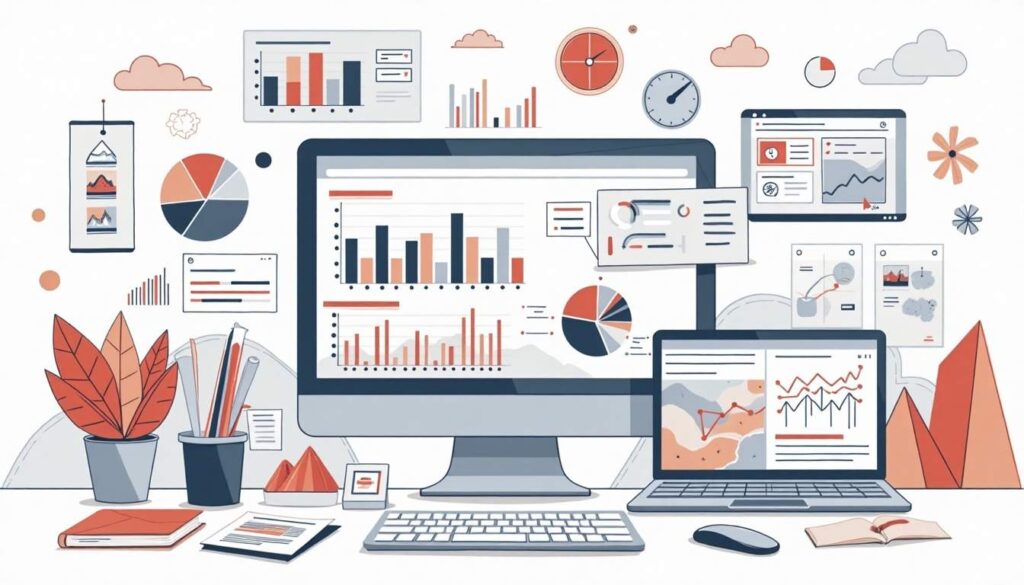
The global project management software market is projected to reach $15.06 billion by 2030, reflecting the expanding reliance on digital tools to manage projects effectively. This growth mirrors the increasing complexity and scale of projects across sectors. As businesses strive to remain competitive, they are investing heavily in advanced project management solutions that facilitate real-time collaboration and streamline workflows, further driving market expansion.
Employment demand is surging, with estimates suggesting approximately 87.7 million project management professionals will be needed worldwide by 2027. This robust demand underscores the strategic importance of project management skills in the modern workforce. The rise of remote work and global project teams has also contributed to this trend, as organizations seek professionals who can navigate diverse environments and foster collaboration across geographical boundaries.
Salary and Compensation Insights
Project management specialists command competitive salaries, with median annual wages around $100,750 and total compensation—including bonuses—reaching approximately $136,000. These figures highlight the value organizations place on skilled project managers who can deliver results. In addition to base salaries, many companies are now offering performance-based incentives and comprehensive benefits packages, which further enhance the appeal of project management careers.
Moreover, as industries evolve and new methodologies emerge, project managers with specialized skills in areas like risk management, stakeholder engagement, and digital transformation are likely to command even higher salaries. Continuous professional development and certifications, such as PMP or Agile certifications, can significantly boost earning potential and career advancement opportunities.
Preference for Agile Methodologies
The significantly higher success rate of Agile projects (42%) compared to Waterfall (14%) is driving widespread adoption of Agile frameworks. Organizations recognize the benefits of flexibility, faster delivery, and improved stakeholder engagement that Agile offers. This shift is not just a trend; it represents a fundamental change in how teams approach project execution, emphasizing iterative progress and responsiveness to change.
In addition, the cultural shift towards Agile has led to the emergence of cross-functional teams that enhance collaboration and innovation. By breaking down silos and encouraging open communication, organizations can leverage diverse skill sets and perspectives, ultimately leading to more creative solutions and higher project success rates. As a result, project managers are increasingly expected to foster an Agile mindset within their teams, promoting adaptability and continuous improvement.
Technological Integration and AI Impact
Nearly 80% of organizations report improved internal communication after adopting dedicated project management software, demonstrating technology’s role in enhancing efficiency and collaboration. These tools not only facilitate task management and scheduling but also provide dashboards and reporting features that offer valuable insights into project performance and resource allocation.
Artificial intelligence is poised to reshape project management, automating routine tasks and providing predictive analytics. Project managers who embrace AI tools will be better positioned to lead data-driven and adaptive projects. For instance, AI can analyze historical project data to identify potential risks and suggest mitigation strategies, allowing project managers to proactively address challenges before they escalate. Furthermore, AI-driven chatbots and virtual assistants can streamline communication, enabling project teams to focus more on strategic initiatives rather than administrative tasks.
Conclusion
Project management is a dynamic and multifaceted discipline that requires a blend of strategic insight, technical proficiency, and interpersonal acumen. As organizations navigate an increasingly complex and fast-changing environment, project managers play a pivotal role in delivering successful outcomes.
Mastering core responsibilities such as planning, resource management, leadership, risk mitigation, and performance tracking is essential. Equally important is developing future-ready skills including technological literacy, emotional intelligence, adaptability, data-driven decision-making, and a sustainability mindset.
By embracing these responsibilities and skills, project managers will not only meet the demands of today but also drive innovation and resilience in the projects of tomorrow.
Related article: Mastering the Art of Project Management – A Beginner’s Guide